
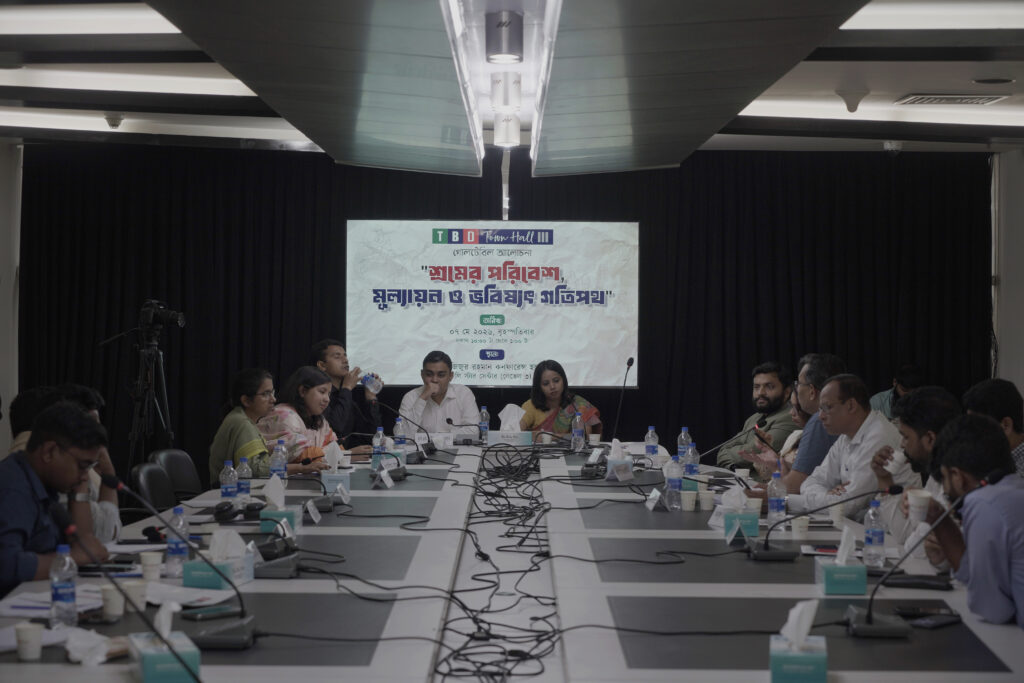
The Bangladesh Dialogue Town Hall III hosted a Roundtable discussion on 7th May 2026, at the Azimur Rahman Conference Hall in the Daily Star Center, Dhaka. The theme was “Labour Environment, Assessment, and Future Direction,” and the forum brought together policymakers, experts, student representatives, labour rights activists, and other respectable participants for discussion. The key aspects of the roundtable centered around the current condition of the working class, workplace safety, labour rights, labour law reforms, and the future of the labour market.
The discussion began with the respectable participants paying homage to the historical spirit of May Day and the memory of workers who sacrificed their lives for fair wages, safe workplaces, trade union rights, and dignity.
The keynote speaker, Kazi Rakib Hossain, the Chief Operations Officer of The Bangladesh Dialogue, framed the entire discussion by linking the economic progress of Bangladesh with the contribution of the working class, including the workers from sectors like garments, transport, construction, agriculture, tea, as well as the domestic workers and the migrant workers. He emphasized that, despite keeping the economy moving, many of these workers remain deprived of fair wages, safe working conditions, healthcare, food, housing, and dignity. He questioned the quality of life the jobs are providing, rather than the number of jobs, by drawing attention to some mainstream sectors, the marginalized communities connected with labour, and their realities and sufferings with special reference to the Harijan community and the Hijra community. He also highlighted the emerging sectors and their uncertain status in the labour framework. Lastly, he concluded with the idea of labour law reflecting the moral position of the state, underlining the existing gaps of the system, like inadequate maternity leave, weak protection for informal workers, and delays in labour courts, despite the reforms.
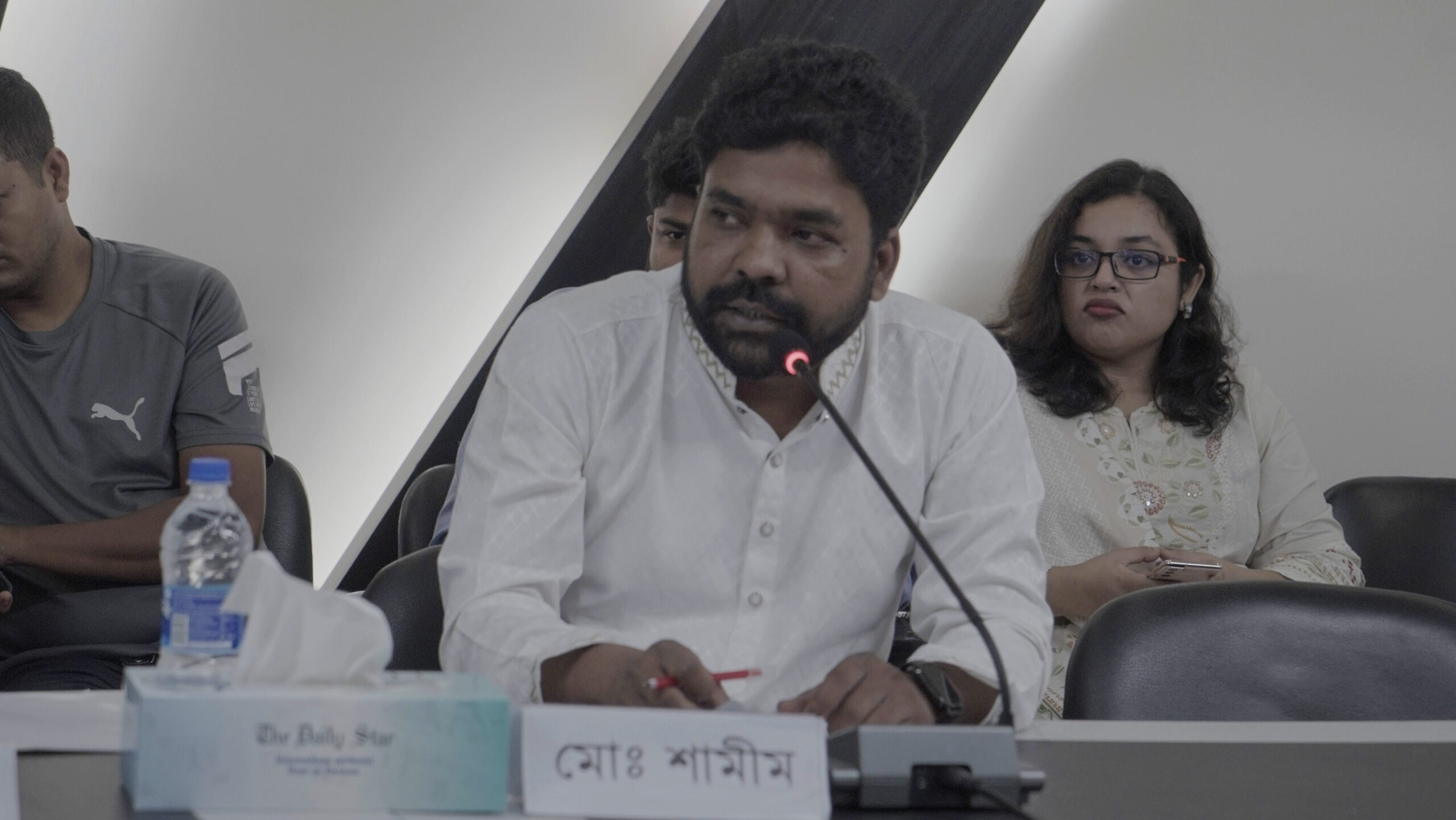
The first speaker, Md. Shamim, President of the Bangladesh Grassroots Garment Workers Employees Federation, represented the perspective of the garment workers. He focused on trade union rights, sudden dismissal of workers, legal harassment, attacks, imprisonment, and repression faced by workers who fight for their rights, with a mention of Ashulia’s garment workers being shot. He criticized the gap between the existing labour law, which was introduced in 2006 and amended again recently, and its implementation inside factories. He also raised the issue of maternity leave and argued for ensuring the six-month leave. He wrapped up his speech with an expectation of the new government to ensure and implement trade union and workers’ rights.
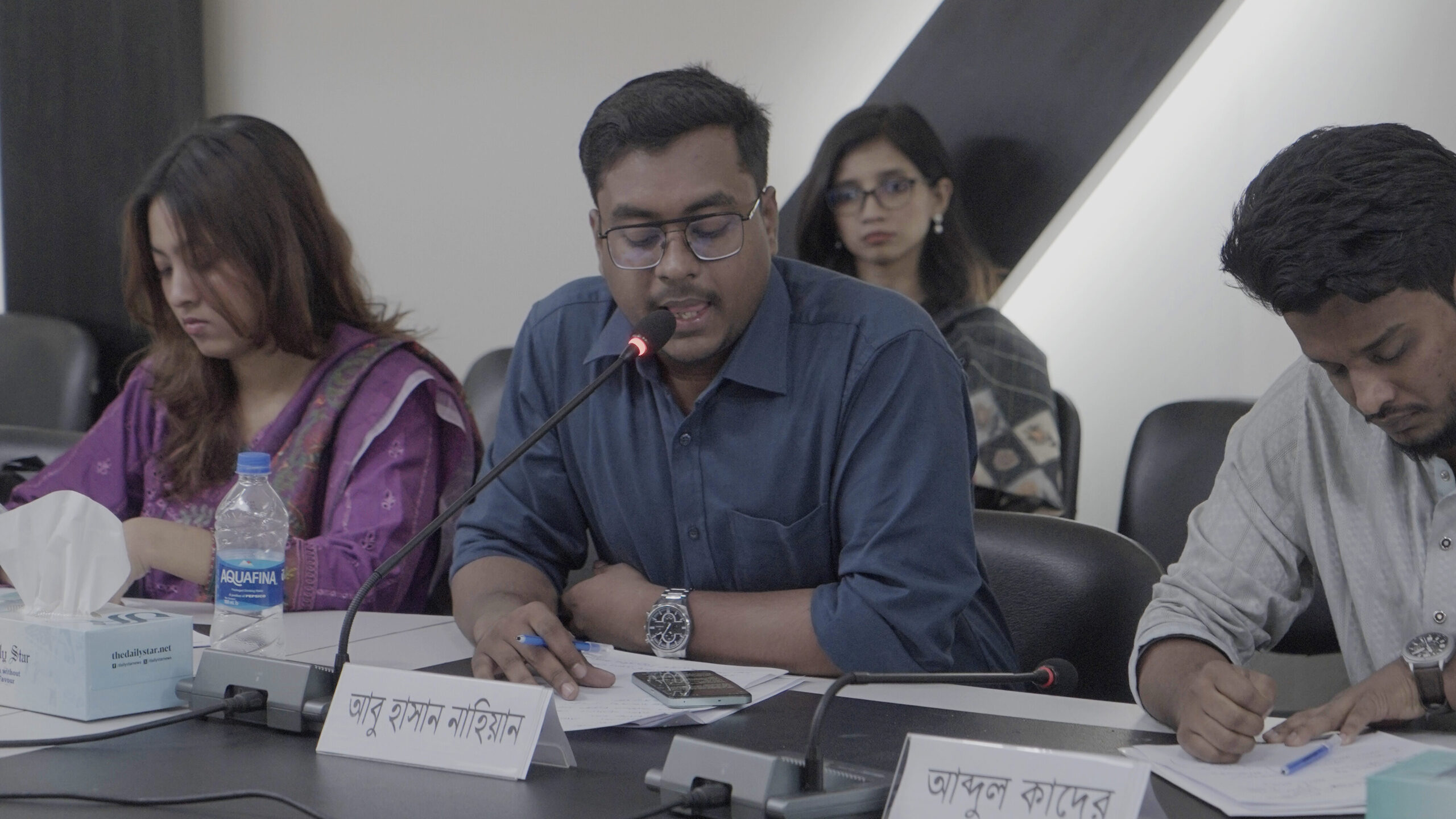
The subsequent speaker was Abu Hasan Nahian, an activist and executive of The Bangladesh Dialogue. Nahian commenced his speech with the belief that labour issues should not be viewed only through an economic lens but through the lens of social justice. He divided his speech into three pillars, which are the working environment, proper evaluation of labour, and the future direction of labour. He insisted on workplace safety, especially in the informal sectors. His unique contribution was the inclusion of workers’ mental health as a concern through the stereotypical example of the transport sector being prone to drugs due to the daily deposit system pressure. Pointing out the wage discrimination between men and women, he proposed the consistency of living wages with the current cost of living, and that labour not be treated as a commodity. For future direction, he pressed on the necessity of preparing workers for automation, AI, freelancing, and the gig economy, and strengthening workers’ bargaining power. He ended his monologue with some practical recommendations, such as reorganization of the wage structure that ensures a living wage, informal sectors getting legal protection, and increment of labour courts.
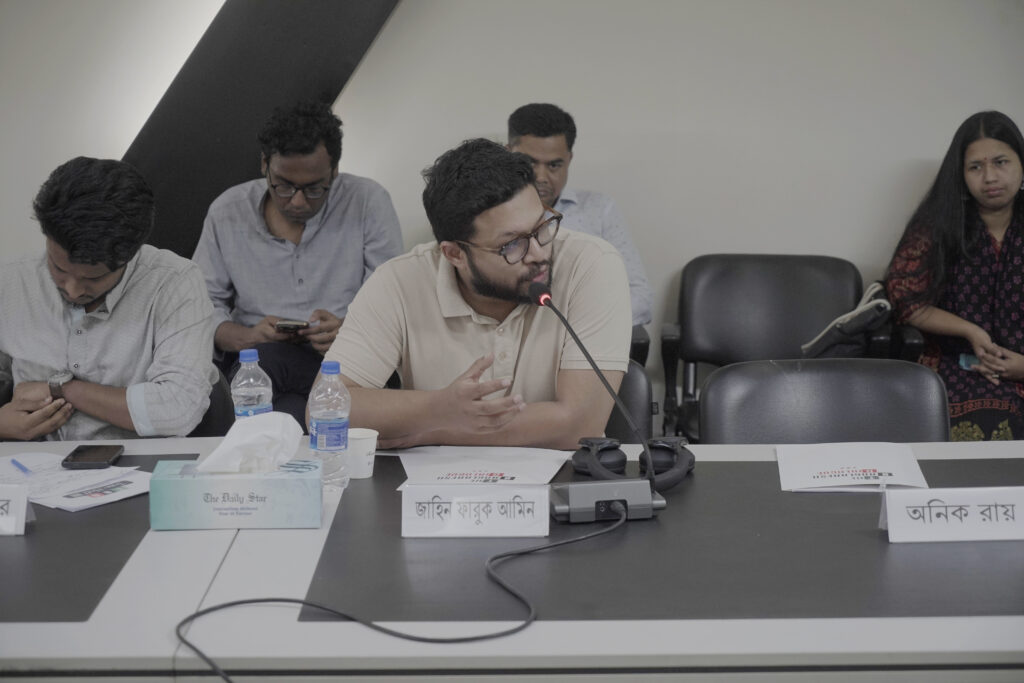
Jaheen Faruque Amin, Writer, Filmmaker, and Organizer at Alternatives, approached the issue from a socio-political perspective. While acknowledging his own social privilege as a Muslim Bengali man, he stated how workers are often treated as subjects of discussions done by people who are socially distant from them, proving the existence of a master-slave dynamic. He compared our system with European or American systems, showcasing labour directly aligning with seasonal patterns and geographical positions, which makes the 8-hour workday a result of the colonial framework. He addressed the impact of climate disasters on labour and the trap of the cheap labour model under which other labour sectors get overshadowed by the mainstream ones. The distinctive point he made in his speech was about the field of media, drama, theatre, and cinema. He expressed his predicament about the poor social security they receive due to the old social image of media workers and the absence of a real pension or support system. He declared that we require a change in social attitude and must treat workers as people with full human dignity and social agency.
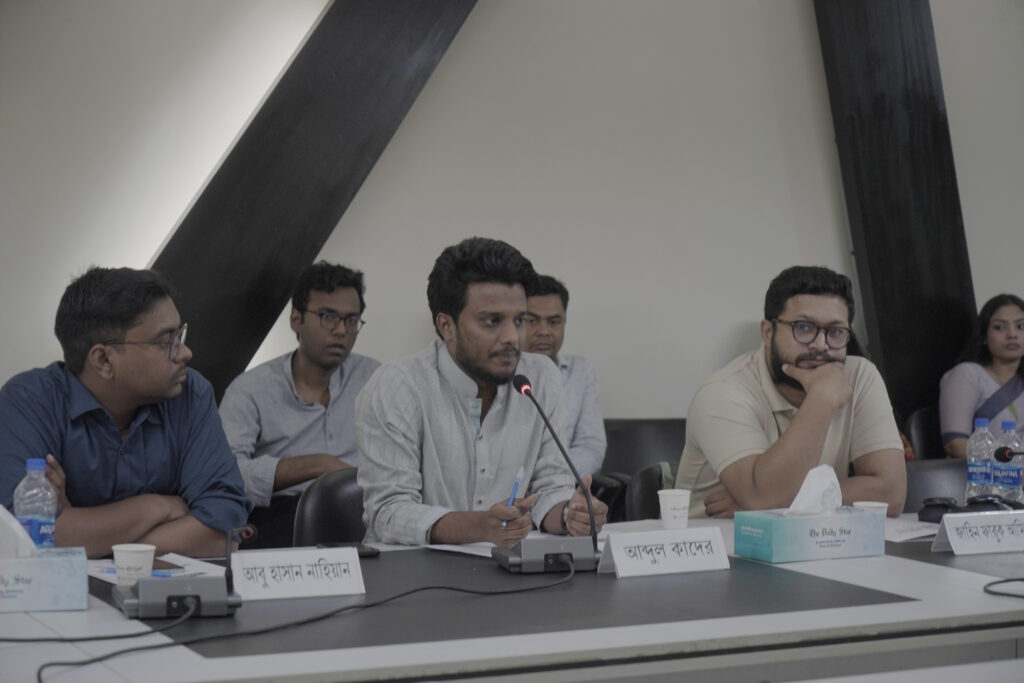
Abdul Qader, former convener of Bangladesh Democratic Students’ Union, Dhaka University branch, gave one of the most personal and emotional speeches. He spoke from his own experience of working as a garment worker during the COVID period and later in Narayanganj. He described long working hours, lack of sleep, abusive treatment by supervisors, wage delays, partial payment before Eid, and the humiliation faced by workers inside factories. He also reflected on the workers’ role in the 2024 mass uprising. He explained that many workers and street children risked their lives in the movement, yet after the uprising, their contribution was not properly recognized.
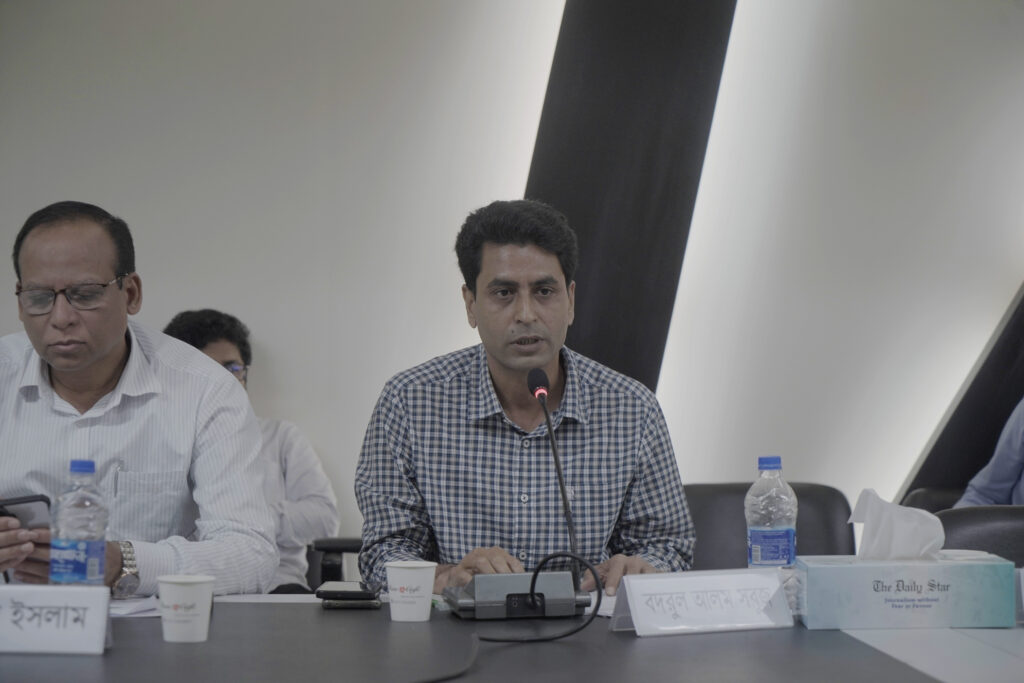
General Secretary of the Bangladesh Government Employees Coordination Council and General Secretary of the Bangladesh Public Workers Union, Bodrul Alam Sobuj made his stance on the usage of labour without adequate evaluation. To make his point clear, he mentioned the lack of proper dignity, regularization, pension of public sector workers, outsourced employees, and master-roll workers, despite working for decades. In his speech, he provided some potential steps that can be taken to ensure a safe working environment. Some of them are safeguards for using machinery and regular maintenance, the inclusion of personal protective equipment, fire safety and emergency management, and compensation and legal protection.
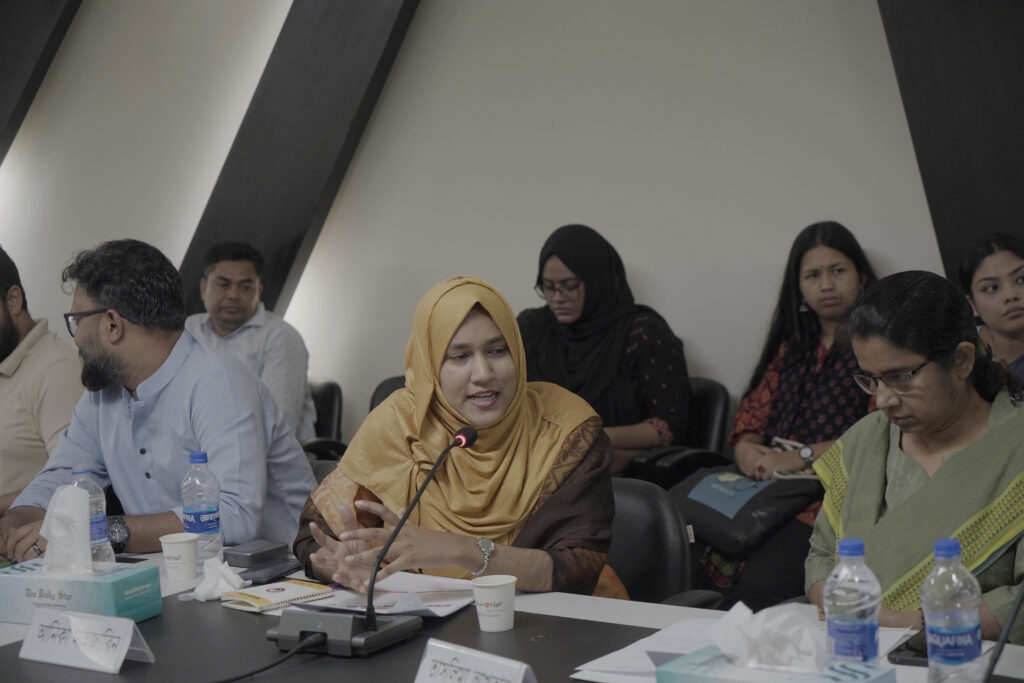
Anika Mahzabin, a journalist at Banik Barta, viewed the future of labour from the perspective of technology, politics, and economic direction. She analysed the state’s condition, stating that Bangladesh is still heavily focused on garments, while countries like Taiwan have advanced through semiconductors and high-tech sectors. Her unique point was the warning that Bangladesh is already late in preparing for the AI-based labour market. She argued that if Bangladesh waits until workers in new sectors become exploited, the country will already be twenty years behind. She pointed out the important role of “Pressure Groups”, which are student leaders and organizations, in keeping the politicians in check. She cited the current wage fixed for the tea workers and the undignified life they lead with restrictions. Indicating the centralization of policy implementation and development, the speaker noted that there is a huge gap between education and real employment opportunities because of weak rural access to training and the quality of education.
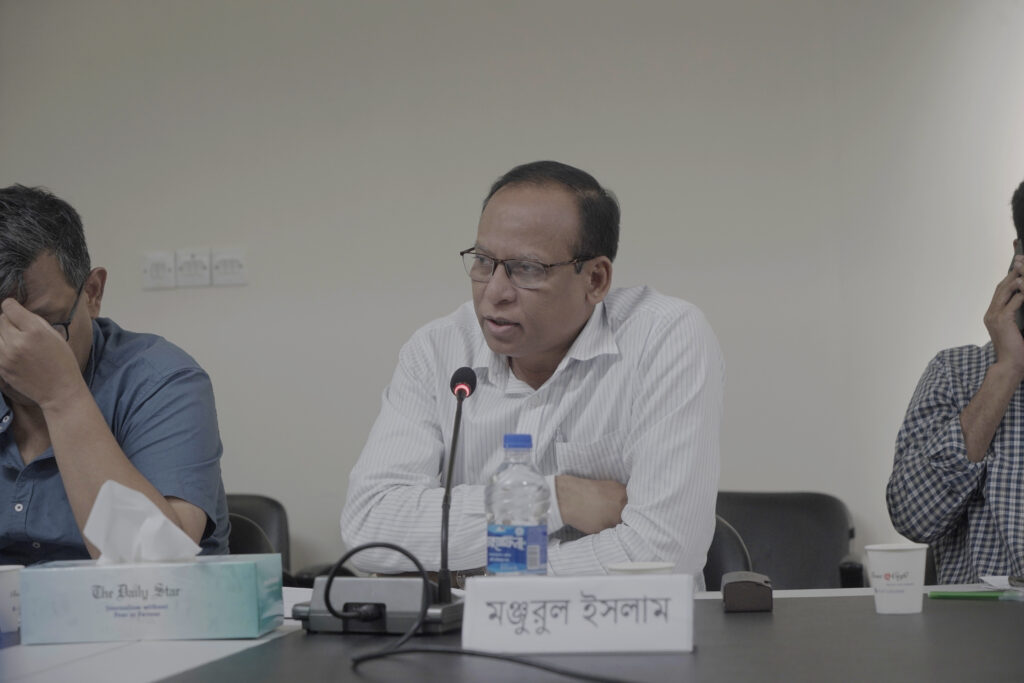
Up next, Publicity and Publication Secretary of the Bangladesh Jatiyatabadi Sramik Dal, Manjurul Islam, connected workers’ rights with political history, democratic movements, and state power by presenting the sacrifice of workers in the Language Movement, Liberation War, 1990 movement, and 2024 uprising as instances. Yet their contribution remains unrecognized. Since a large portion of voters are workers, he noted that workers are not only economic actors but also political actors who help form governments and shape national movements. His exceptional take was on the 4 lac unemployed workers who were involved in stone quarries, and he urged the government to restore their livelihood to improve their and their family’s living condition. The tea workers’ wage demand being suppressed and the brutality towards garment workers asking for their rights were some key illustrations he used to explain the need to connect the past, present, and future to determine the future direction. With respect to the religious sentiment of Ramadan, the speaker recommended wages and allowances for the hotel and restaurant staff during that month. He gave a shoutout to the overworked domestic workers and transport workers while illustrating the unhealthy lifestyle they are forced to live. In his concluding remarks, he compared our maternity leave system with Sweden and demanded at least 180 days of maternity leave in the private sector like the public sector.
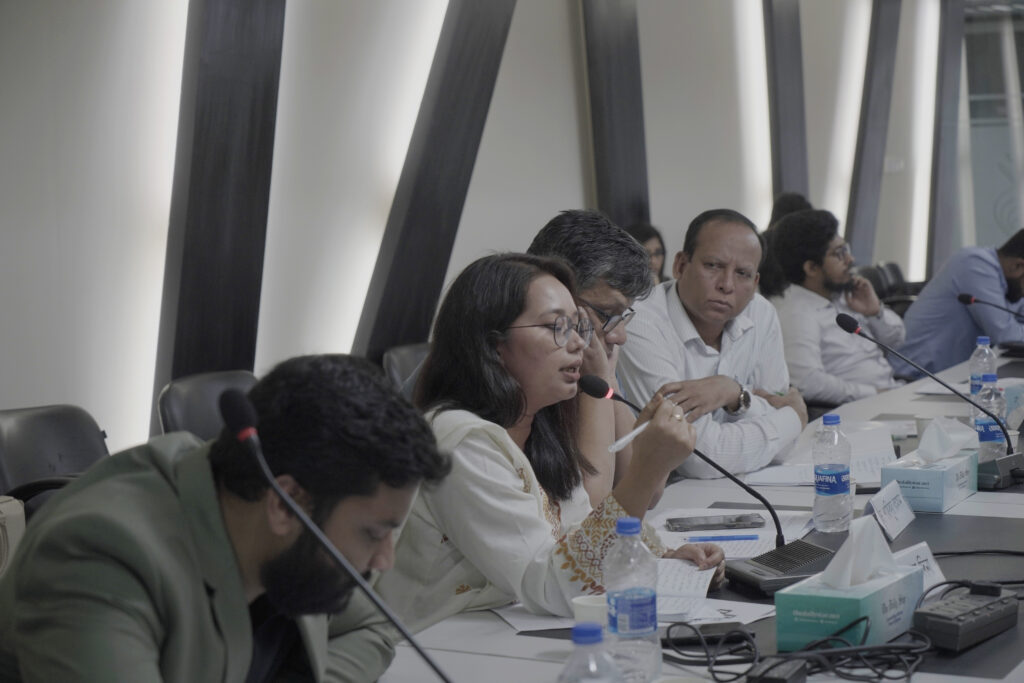
The next participant of the roundtable is the Senior Chief Organizer, Northern Region, National Citizens’ Party (NCP), Sadia Farzana Dina. Her focus was on the political economy of labour rights. She argued that workers’ rights are difficult to ensure because political parties often depend on businesspeople for political financing or are themselves businesspeople. As a result, politicians may hesitate to speak strongly against employers. She pointed towards the lack of proper institutional acknowledgement and a system to address the sexual harassment women face both in formal and informal sectors, despite a law already being in place, named the POSH policy. She mentioned the need for day care systems in the workplace and the declining productivity of workers due to electricity problems in workers’ residential areas. In her finishing words, she mentioned the necessity of expansion of technologies in the gig economy and the requirement to connect roundtable discussions with policy implementation.
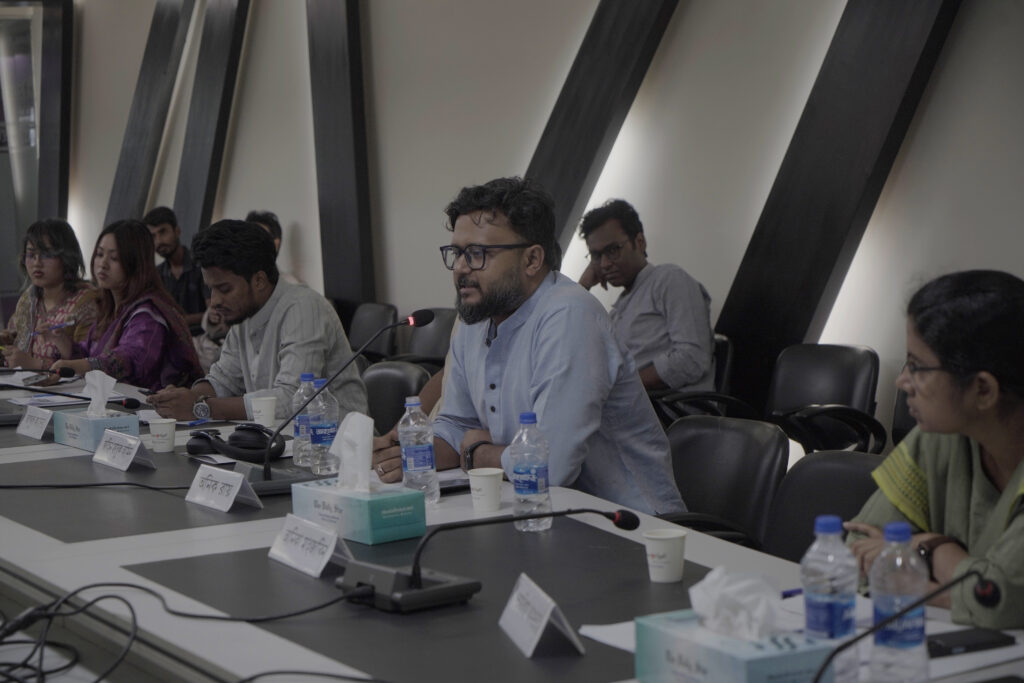
Member of Network for People’s Action, Anik Roy’s speech critically challenged Bangladesh’s dominant “development miracle” narrative. His central argument was that GDP growth, mega projects, green factories, and export success do not automatically mean workers’ lives have improved. He emphasized that the real test of development should be whether workers receive fair wages, job security, legal protection, and a dignified standard of living. He questioned why the garment sector continues to receive state incentives and soft loans while workers remain insecure, suggesting that this reflects an unhealthy business model. He also warned that green factories represent only one side of the industry, while many unregulated factories still lack basic protection. Drawing from his textile background, he highlighted how production systems can dehumanize workers by controlling even bathroom breaks. He further argued that automation is increasing productivity but not improving workers’ wages or lives, while Bangladesh’s large informal workforce remains outside legal protection despite contributing significantly to GDP. His speech also linked informal labour with political power, noting that vulnerable workers are often used for rallies and street mobilization. As solutions, he proposed mandatory written contracts for all workers, structural reform of the transport sector so drivers are not forced into reckless competition, genuine trade union rights, improved communication among stakeholders, and legal recognition and protection for gig workers such as delivery riders and app-based workers. Overall, his central message was that without structural reform, labour discussions will continue, but workers’ lives will not meaningfully improve.
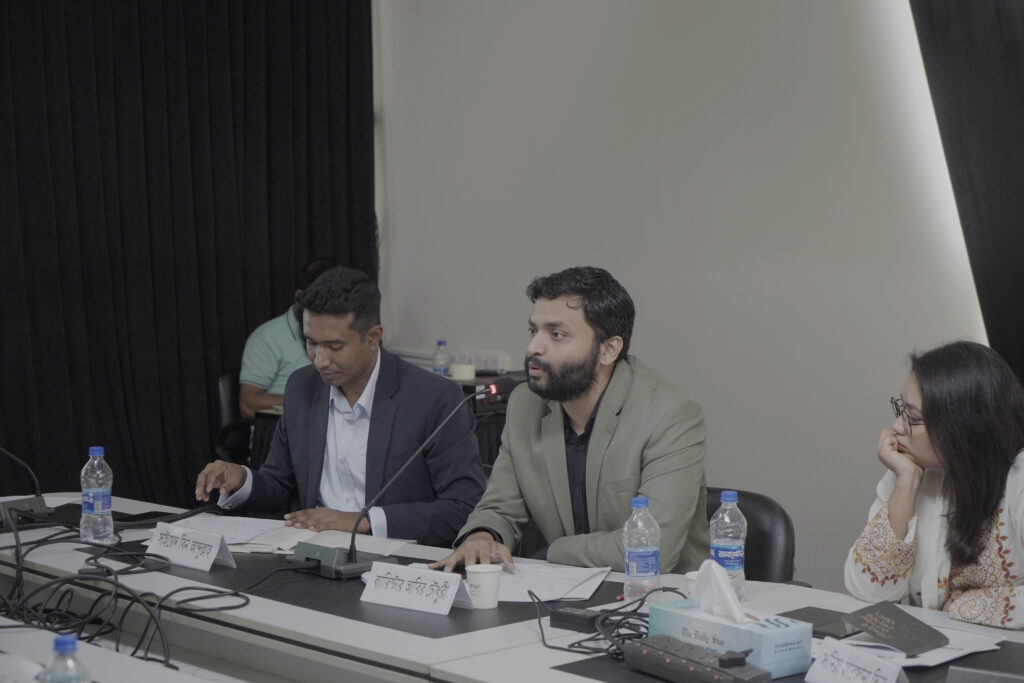
Barrister Abir Chowdhury’s speech offered a policy-oriented assessment of Bangladesh’s labour challenge by shifting the discussion from only labour rights to the wider macroeconomic problem of job creation. His unique points included the need to reduce the cost of doing business so the private sector can create more employment, the proposal for a national minimum wage instead of sector-wise wage setting, and the creation of a digital labour registry linked with national ID to identify workers’ skills and match them with local and overseas job opportunities. He also emphasized that Bangladesh’s skill-training system remains outdated, poorly coordinated, and weakly tracked, making industry–academia–government partnership inevitable. On legal issues, he highlighted poor access to labour justice, noting the long backlog and delays in labour courts, and proposed better case-management systems. He further argued that labour inspection cannot be solved only by increasing inspectors; instead, Bangladesh needs strategic, bottom-up compliance through private-sector self-reporting. Addressing the uncertainty that remains regarding the role of NSDA, he completed his speech urging stronger coordination under NSDA.
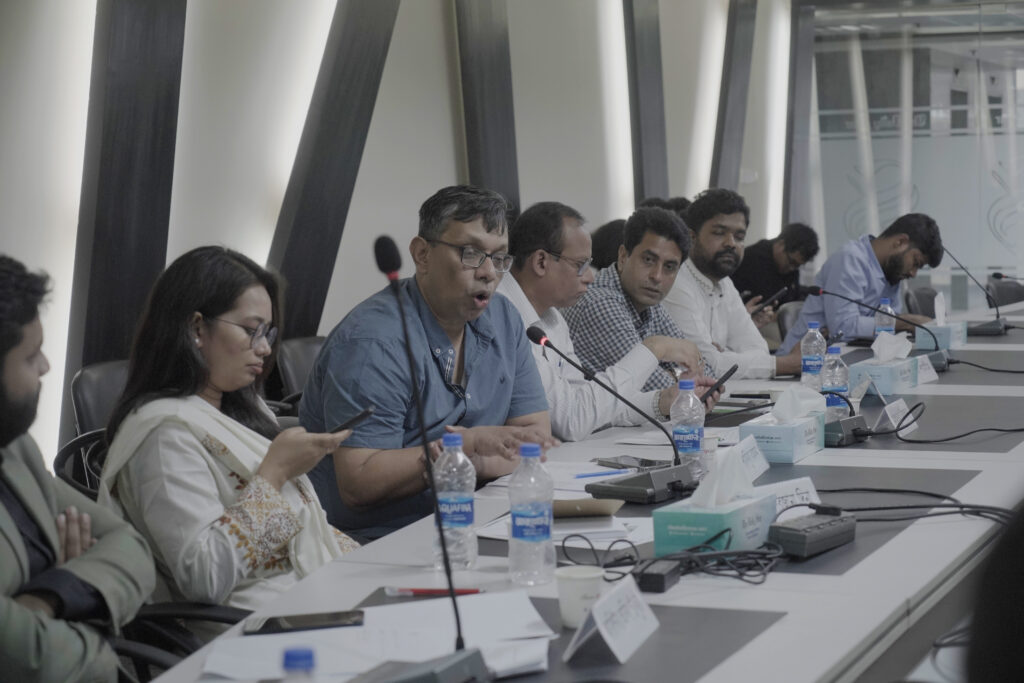
Political economist and Executive Director of Bangladesh Research Analysis and Information Network, Dr. Shafiqur Rahman, analyzed labour through productivity, wages, and nutrition. He argued that Bangladesh is known as a low-labour-cost country, but productivity is also low, creating a vicious cycle. He maintained that nutrition is central to productivity as it is related to physical and mental capacity. He analysed that the economic growth of countries like Korea, Japan, China, and Malaysia was rooted in ensuring food for workers at a low cost, which we failed to do. His key proposal was to ensure balanced food for workers at subsidized prices through a public-private partnership model, rather than relying solely on government delivery, which may create corruption and inefficiency. Given the example of the New York Mayor, Mamdani’s work, he stressed the national necessity of supplying basic food. While talking about the inhumane wage system for the tea workers, he insisted on careful consideration of the market economy, the global economy, and other related factors when it comes to increasing workers’ wages.
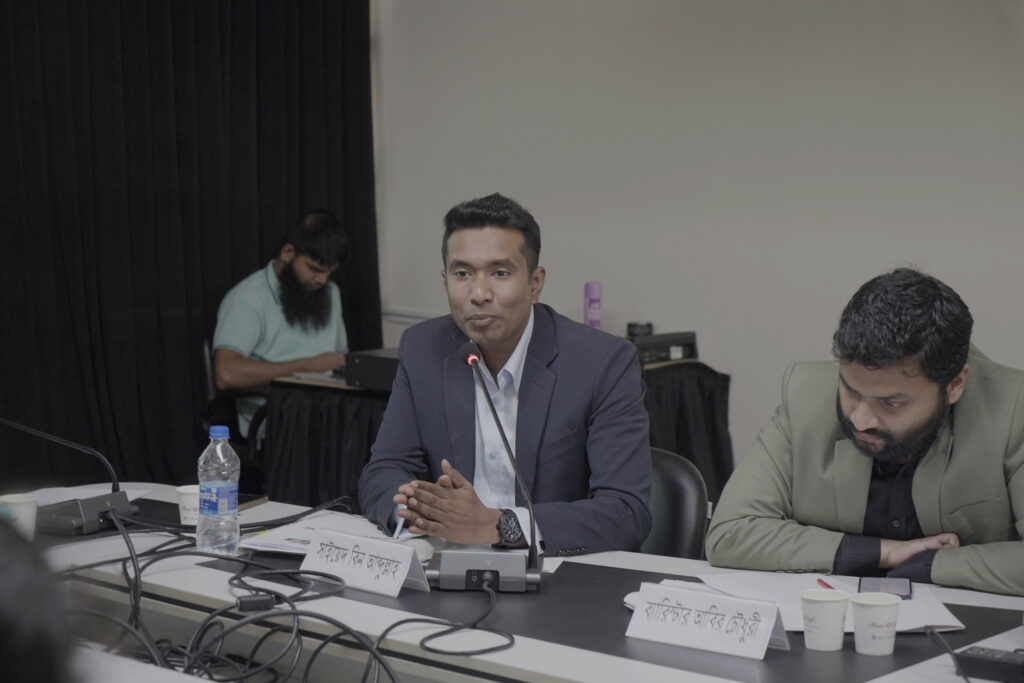
Special Assistant to the Honourable Prime Minister on Youth Employment, Saiyed Bin Abdullah’s speech was one of the most policy-relevant interventions because he connected labour rights with values, governance reform, skill development, migration policy, and practical state planning. His unique point was that workers’ dignity should not remain only a legal or labour-rights issue; it must be built into social, ethical, religious, and everyday practices, including recognition of unpaid domestic labour. He argued that Bangladesh must bridge the gap between ideal demands and practical realities by ensuring subsidized food, medical support, daycare systems, and breastfeeding corners alongside fair wages. A major focus of his speech was the need to reform fragmented government training programmes by bringing them under a coordinated system or a “common umbrella”, measuring return on investment, avoiding duplicated or unnecessary training, and creating district- and upazila-level job exchange centres where workers’ skills can be recorded and matched with employers’ needs. He also emphasized protecting traditional occupations by branding products, building skilled labour instead of sending unskilled migrants abroad, reducing the influence of brokers, and establishing one-stop support services in embassies for migrant workers. Referencing to the election manifesto, he also mentioned the commitment to ensuring speedy trials for those responsible for workplace tragedies in the past. Finally, he proclaimed that garment workers, rickshaw pullers, women, informal workers, tea workers, char communities, and Harijan communities must not be forgotten after political movements and that the government should take their voices seriously and build policies through inclusive consultation.
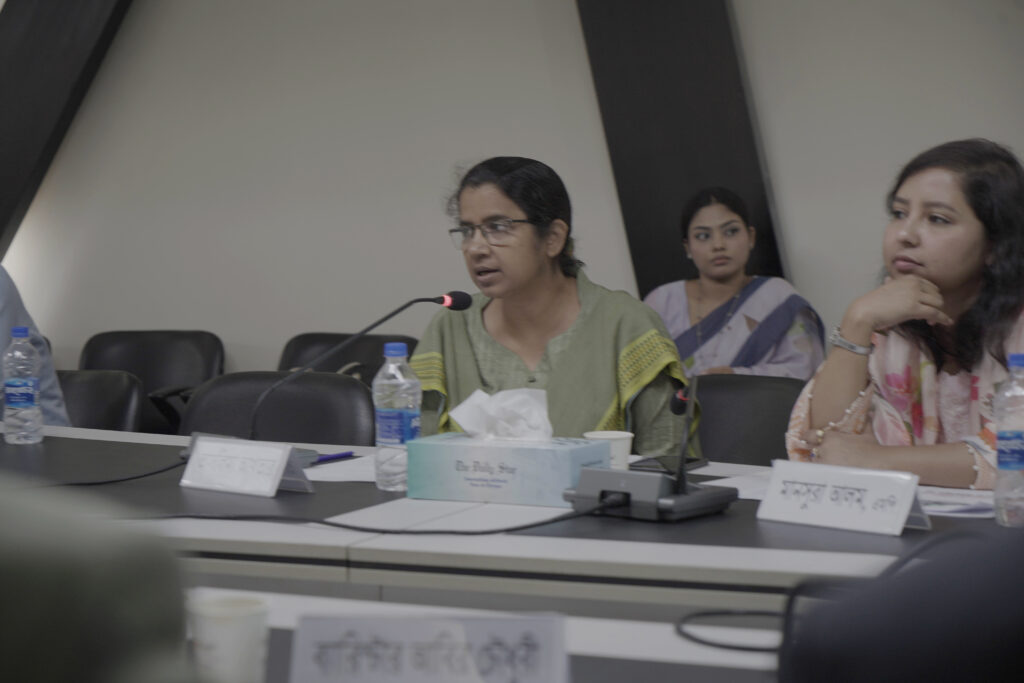
President of Garments Sramik Samhati, member of the Political Council of Ganosamhati Andolon, and former member of the Labour Reform Commission, Taslima Akhter offered one of the most grounded reflections on labour reform because she spoke from her direct experience in the Labour Reform Commission and the Tripartite Consultative Council. Her key point was that the mass uprising created a rare political opening for labour reform, but its achievements remain incomplete because the old culture of repression, beneficiary groups, division, and weak implementation persists. She specified several important achievements in the new labour-law process, including the eighteen-point demand of garment workers, reduced trade union formation thresholds, mandatory safety committees, workers’ right to refuse dangerous work, increased festival leave, a workplace accident compensation fund, alternative dispute resolution, social dialogue provisions, and the inclusion of definitions and complaint mechanisms for sexual harassment and gender-based violence. At the same time, she warned that legal gains will remain meaningless unless workers understand them in simple language and can use them. Her approach was that labour reform should not be treated only as a workers’ issue but as part of Bangladesh’s democratic transformation, and students, educated middle-class people, political actors, and workers must act together. She also strongly criticized the way workers are treated as crowds, numbers, or machine-like bodies rather than human beings with nutrition, dignity, and dreams, arguing that without a national minimum wage and dignified wage, the eight-hour workday will remain only on paper. Overall, she framed labour rights as a historical struggle driven by sacrifice, mass movements, and accountability, stressing that workers, who are the lifeblood of the economy, must become part of the nation’s democratic future, not merely its production system.
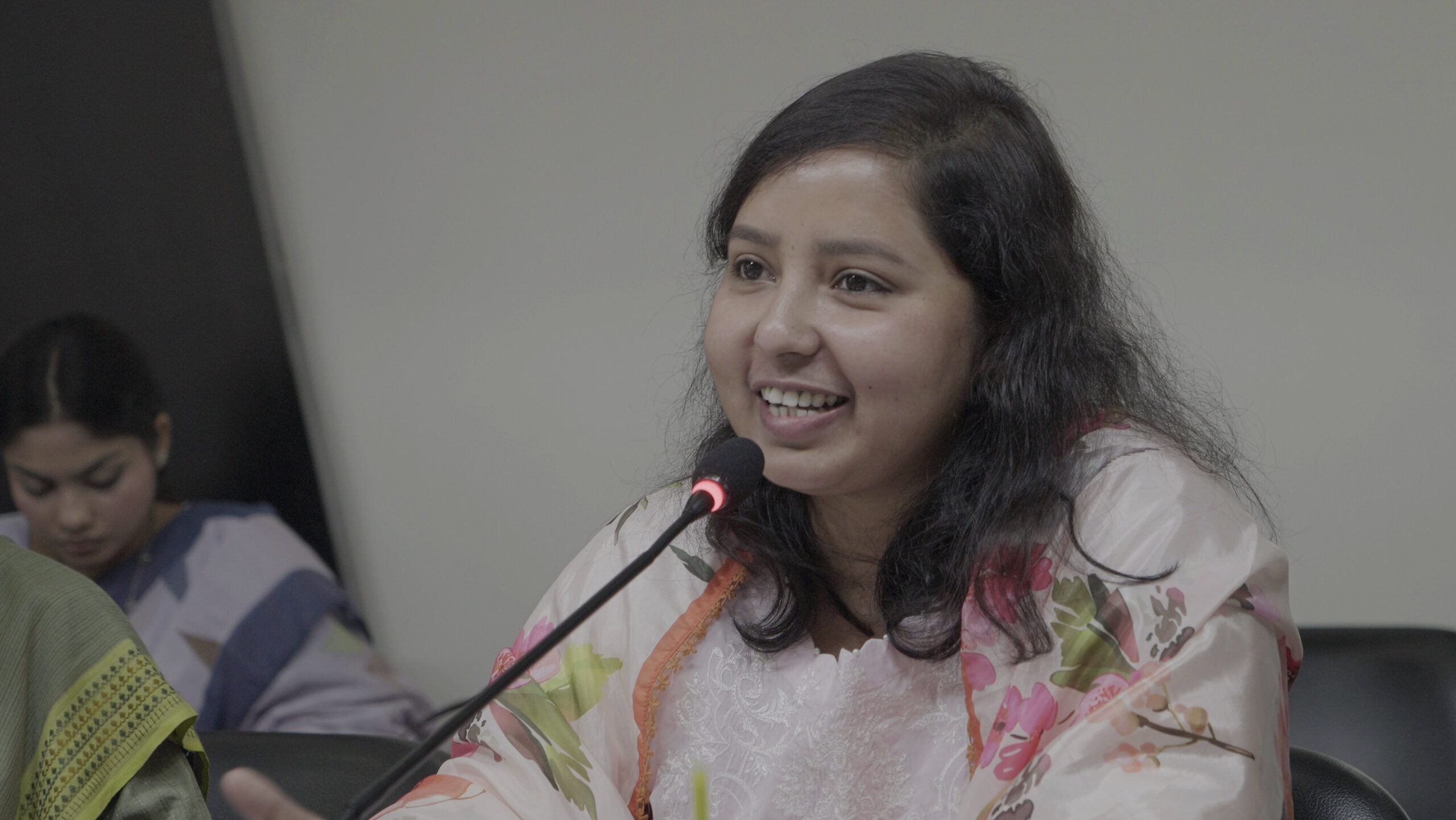
The final discussant of the programme was Honourable Member of Parliament Mansura Akter, Joint General Secretary of the Bangladesh Jatiyatabadi Chhatra Dal. Mansura Akter’s remarks brought a human-centred and gender-sensitive perspective to the labour discussion, emphasizing that national development and even human civilization have been built on workers’ contributions, yet labour remains one of the most neglected sectors. She drew attention to everyday forms of deprivation, such as delayed payment to domestic helpers, unequal lifestyles between different categories of “workers”. Her extraordinary take was the age-old sector of handloom and traditional craft work, and the hidden exploitation where consumers pay premium prices, but artisans often remain underpaid. A distinctive part of her speech was her rejection of symbolic or unrealistic women-focused policies, such as reducing women’s working hours, arguing that working women themselves oppose such measures when they threaten income security. Instead, she stressed equal pay for equal work, especially in sectors like brick kilns where women perform the same physical labour as men but receive lower wages. She also included the severe nutritional deprivation of tea workers and low-income labourers, suggesting that labour discussions should include public health and medical perspectives. Politically, she warned that the growing influence of industrialists in politics can weaken workers’ bargaining power, while also noting that the post-uprising period has created a stronger demand for accountability. Her intervention framed labour rights as inseparable from justice, equality, nutrition, gender dignity, and sustainable development, concluding that wherever there is labour, there are human beings whose dignity must be protected.
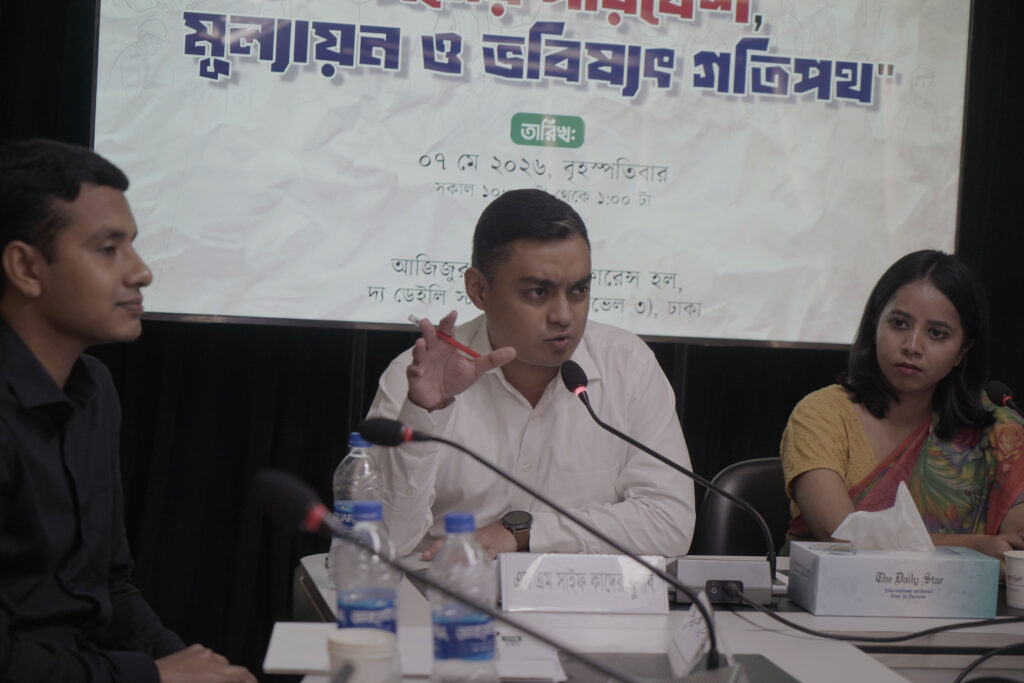
At the final stage of the roundtable discussion, Barrister S M Saif Kader Rubab, Director of The Bangladesh Dialogue, delivered his concluding remarks, which tied up the major threads of the roundtable while adding several distinct institutional and forward-looking concerns. He called for corporate accountability, arguing that labour discussions often focus on garments, brick kilns, tea workers, and informal workers, while large multinational and corporate employers escape scrutiny behind formal compliance documents. In his view, compliance must not remain only on paper but must reflect the real treatment of employees. He also pinpointed the often-ignored struggles of government employees, especially housing-related concerns, and called for clearer roles for BITAC and NSDA in workforce training. On the broader economy, he stressed the need to formalize the informal labour force, diversify Bangladesh’s overseas labour market beyond traditional Middle Eastern destinations, and look toward Southeast Asia under a “Look East” approach. He further warned that changing global markets and regional conflicts could affect remittance-dependent labour migration, making skill development and market diversification urgent. Finally, he urged the government, ILO, UN, and other international watchdogs to exercise stronger oversight since these organizations, benefiting from tax waivers and operating in Bangladesh, also carry responsibilities toward the country’s workers.
As an observer, the roundtable made it clear that Bangladesh’s labour question is no longer limited to wages, factory safety, or trade union rights alone, rather it has become a broader question of dignity, justice, productivity, legal protection, and democratic accountability. The discussion showed that although workers remain at the centre of Bangladesh’s economy, many of them continue to live outside meaningful legal protection, especially informal workers, domestic workers, migrant workers, and platform-based workers. The recent labour law amendment, therefore, marks an important legal development, particularly because it lowers barriers to trade union formation, strengthens protections against worker blacklisting and harassment, expands recognition for some previously excluded workers, and introduces stronger welfare and compliance-related provisions. Reports on the Bangladesh Labour Act amendment indicate that trade unions may now be formed with as few as 20 workers, depending on establishment size, while domestic workers and seafarers have been brought within the definition of “worker”. However, the legal achievement must be viewed with caution. The speakers repeatedly emphasized that Bangladesh does not suffer from a shortage of laws only; it suffers from weak implementation, like delayed labour-court remedies, inadequate inspection capacity, poor awareness among workers, and structural inequality between employers and workers. Therefore, the legal conclusion is that the new labour amendment is a necessary step forward, but not a complete solution. Its real success will depend on enforcement, accessible labour courts, accountable employers, effective inspection, a national minimum wage framework, recognition of emerging gig and platform workers, and the state’s willingness to treat labour rights not as charity, but as enforceable rights central to Bangladesh’s future development.